How NRIs Can Stay Connected to Hindu Traditions: Remote Poojas, Rituals & Festival Celebrations Abroad
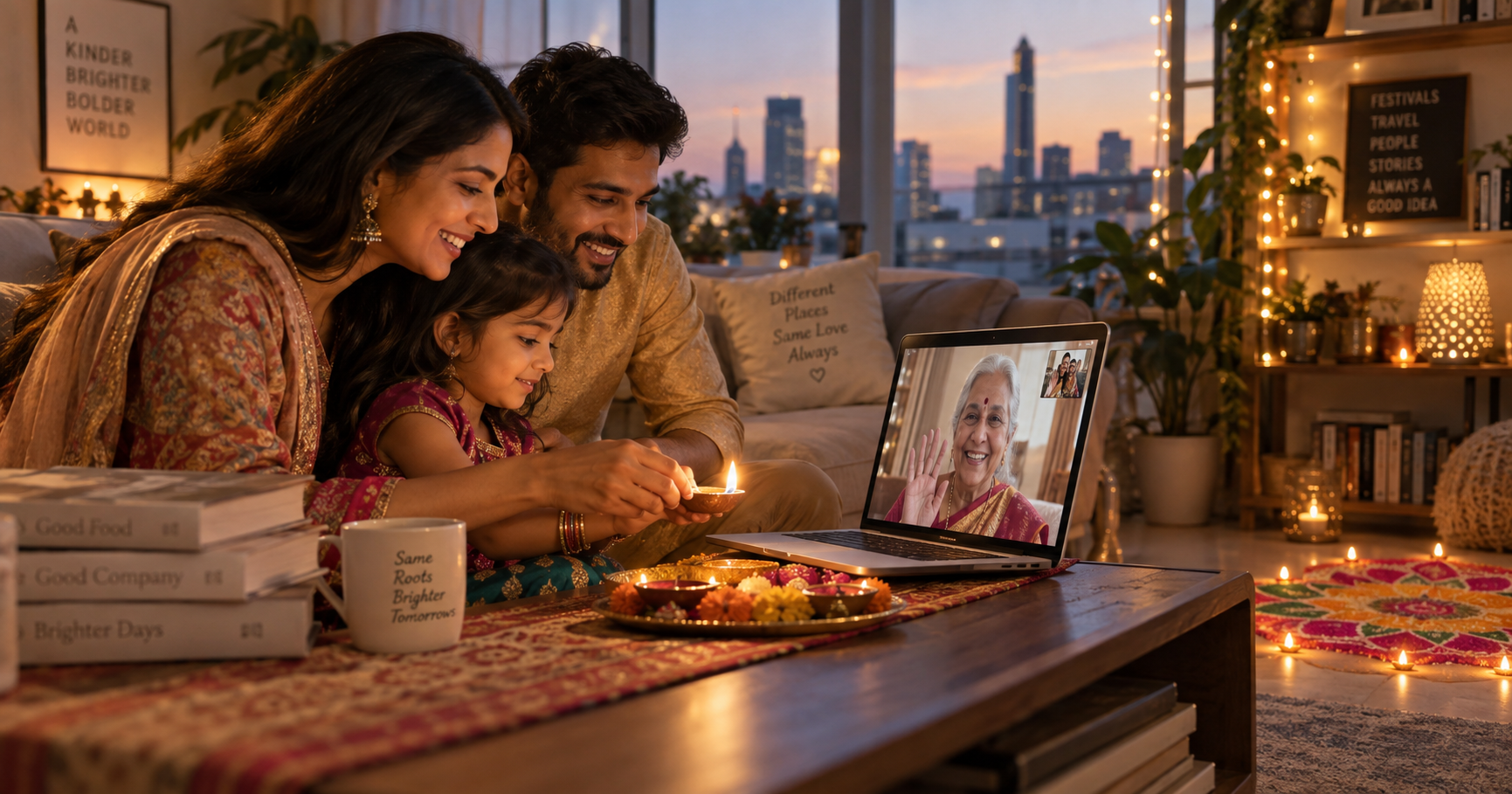
For millions of Non-Resident Indians, distance from the homeland often means distance from temple bells, festival gatherings, and the quiet comfort of a family priest who knows exactly which rites your family has followed for generations. But staying rooted in Hindu tradition while living abroad is more possible today than ever before — it just looks a little different than it did for your parents' generation.
Sponsoring Poojas and Rituals From Anywhere
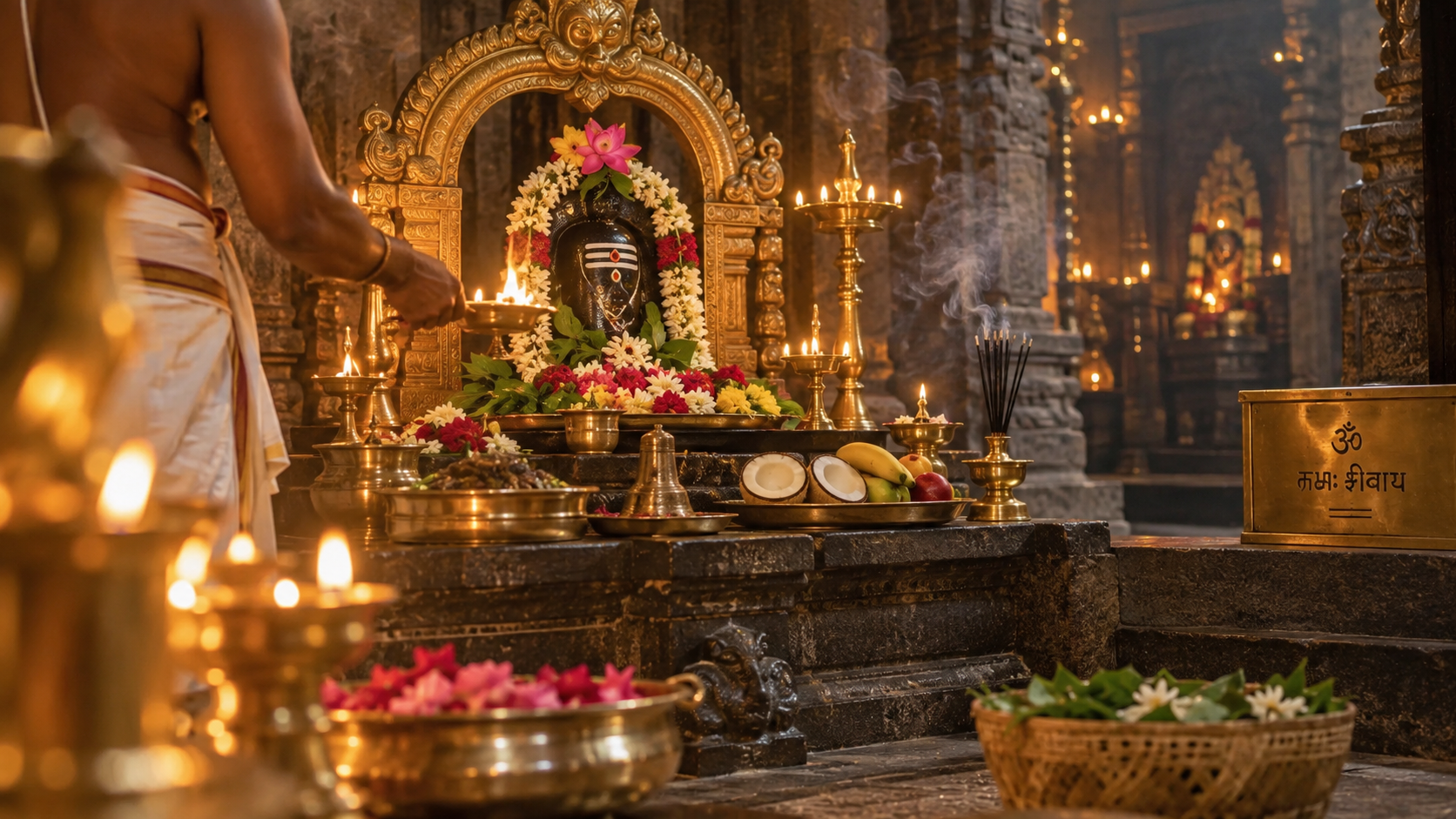
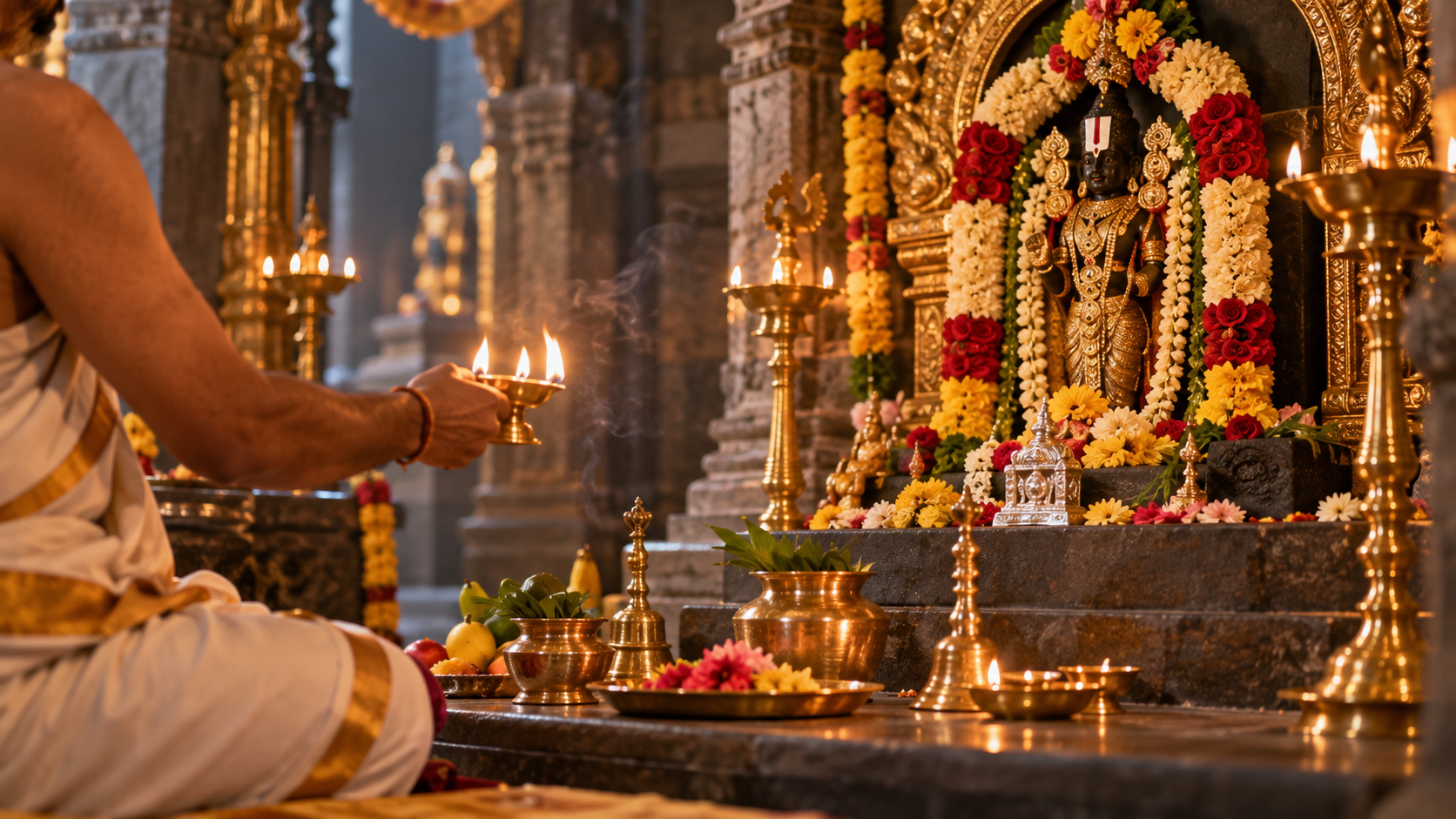
Many temples across India now offer devotees abroad the option to sponsor a specific pooja or seva — a priest performs the ritual on your behalf, in your name and gotra, at the temple itself, often with a prasadam or photo/video sent back to you afterward. This lets you mark an important date (a birthday, an anniversary, a difficult period you're going through) with real ritual observance, even when you can't be there in person.
Performing Ancestral Rites (Pitru Tarpan / Shraddha) From Abroad
One of the questions we hear most often from NRIs is how to honor Pitru Paksha obligations — the annual rites for departed ancestors — when returning home isn't possible every year. The tradition is flexible enough to accommodate this: many families arrange for a purohit at an ancestral temple or pilgrimage site (Gaya, Varanasi, and several South Indian temples are traditional centers for this) to perform Tarpan and Shraddha on their behalf, following the same gotra and lineage details a priest would use if you were present. Some families also perform a simplified version of the ritual themselves at home, under guidance from a priest over video call — both approaches are accepted within tradition; what matters most is sankalpa (intention) and sincerity.
Celebrating Festivals in a New Country
Diwali on a Tuesday in a city with no fireworks allowed. Ugadi without the neem-and-jaggery your grandmother always insisted on. Festival celebrations abroad rarely look like they did back home — but that doesn't make them any less meaningful. Many NRI families have built new traditions around old ones:
- Local temple associations often hold community celebrations on the nearest weekend, so families can gather even if the actual festival date falls on a weekday
- Video calls with family back home during the exact muhurtham time, so everyone lights a diya or breaks a coconut "together"
- Recreating festival foods with locally available substitutes has become its own beloved tradition in many households
- Teaching children the stories and significance behind each festival — often with more intention than it might have gotten back home, where it was simply "in the air"
Staying Connected Digitally
Live-streamed darshan from major temples, daily Panchang and festival date information available instantly regardless of time zone, and online communities of fellow devotees abroad — technology has genuinely narrowed the distance. It doesn't replace the feeling of standing before the deity in person, but it keeps the rhythm of practice alive between visits home.
Tradition was never meant to be rigid — it has always adapted to circumstance while keeping its heart intact. Wherever you are in the world, that heart is still yours to carry forward.