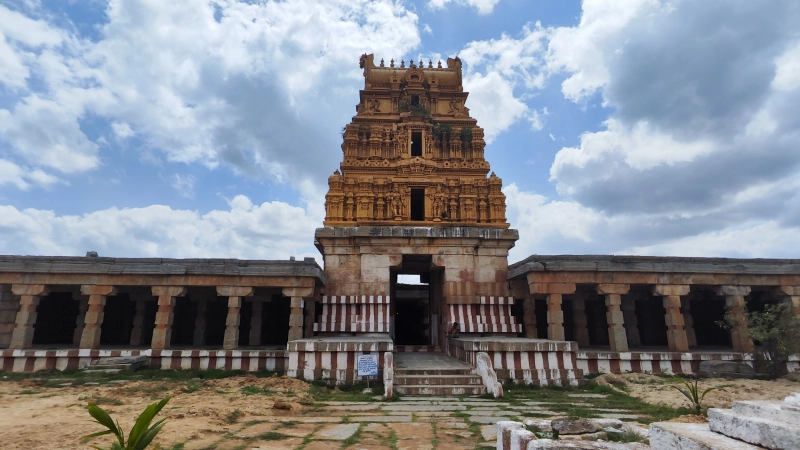

Heritage · Faith · Tradition
About the Temple
Introduction
Shri Tungnath Temple is one of the five sacred Panch Kedar temples of Lord Shiva in the Garhwal Himalayas of Uttarakhand. Located in Rudraprayag district at an altitude of about 3,680 metres, Tungnath is widely revered as one of the highest Shiva temples in the world and the highest among the Panch Kedar shrines.
The temple stands above the meadows of Chopta and below the Chandrashila peak. Its name means “Lord of the peaks,” and the journey to Tungnath combines Himalayan trekking, ancient Shaiva worship, breathtaking mountain views, and the silence of high-altitude devotion.
Panch Kedar Significance
The Panch Kedar pilgrimage includes Kedarnath, Tungnath, Rudranath, Madhyamaheshwar, and Kalpeshwar. According to the Mahabharata-linked legend, after the Kurukshetra war the Pandavas sought Lord Shiva to atone for the sins of battle. Shiva avoided them and took the form of a bull, later disappearing into the earth. Different parts of his divine form manifested at the five Panch Kedar shrines.
At Tungnath, Shiva is traditionally worshipped as the place where his arms appeared. This makes the shrine deeply important for devotees seeking forgiveness, strength, humility, and liberation.
History and Architecture
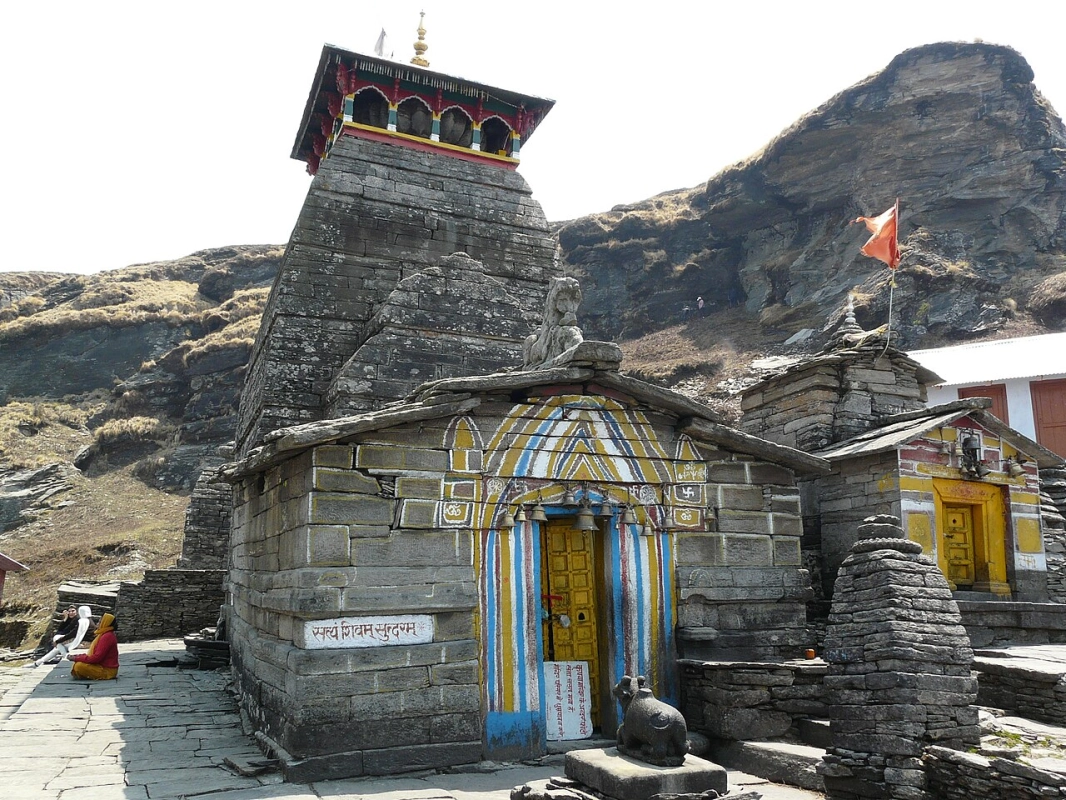
The temple's exact antiquity is uncertain, but tradition attributes its origin to the Pandavas. The present stone temple reflects the North Indian Himalayan style, with a compact sanctum, sloping stone roof forms, and a rugged mountain character suited to the high-altitude environment.
Though smaller than many plains temples, Tungnath carries great spiritual weight. The temple complex includes the main Shiva shrine and smaller shrines around it, all set against snow peaks and alpine slopes.
The Trek from Chopta
Tungnath is reached by a trek of about 3.5 to 4 km from Chopta. The paved mountain path climbs steadily through rhododendron, bugyal meadows, and open views of Himalayan peaks. The trek is moderate for fit visitors but can feel demanding because of altitude, cold, and sudden weather changes.
- Base Point: Chopta is the usual starting point for the trek.
- Altitude: Tungnath stands at about 3,680 metres above sea level.
- Chandrashila: Many trekkers continue beyond the temple to Chandrashila peak for panoramic views.
- Weather: Conditions can change quickly, with fog, rain, snow, or strong winds depending on season.
Winter Closure and Makkumath
Because of heavy snowfall, Tungnath Temple remains closed during winter months. The deity is ceremonially shifted to Makkumath, where worship continues until the temple reopens for the summer pilgrimage season. Pilgrims should always confirm the opening and closing dates before planning darshan.
Festivals and Worship
Daily worship is performed during the open season, with offerings to Lord Shiva, aarti, bells, mantras, and mountain silence forming the devotional atmosphere. Maha Shivaratri, Shravan month, Mondays, and the temple opening and closing ceremonies are especially meaningful for devotees.
- Maha Shivaratri: The most important annual Shiva festival.
- Shravan Month: A sacred period for Shiva worship and pilgrimage.
- Opening Ceremony: Marks the return of worship to the high-altitude shrine.
- Closing Ceremony: The deity is moved for winter worship at Makkumath.
How to Reach
Tungnath Temple is located above Chopta in Rudraprayag district, Uttarakhand.
- By Road: Chopta is reachable by road from Rudraprayag, Ukhimath, Gopeshwar, and other Garhwal towns. Road conditions vary by season.
- By Trek: From Chopta, pilgrims walk the mountain path to Tungnath.
- By Train: Rishikesh and Haridwar are major railheads, followed by road travel into Garhwal.
- By Air: Jolly Grant Airport, Dehradun, is the nearest major airport for most travellers.
Visitor Information
- Best Time to Visit: The open season usually falls between late spring and autumn; check current temple dates before travel.
- Fitness: The trek requires basic fitness and altitude awareness.
- Clothing: Carry warm layers, rain protection, gloves, and sturdy trekking shoes.
- Safety: Avoid trekking in heavy snow, lightning, dense fog, or after dark without proper local guidance.
- Respect the Himalayas: Do not litter, avoid plastic waste, and respect local customs and fragile alpine ecology.