
Heritage · Faith · Tradition
About the Temple
Introduction
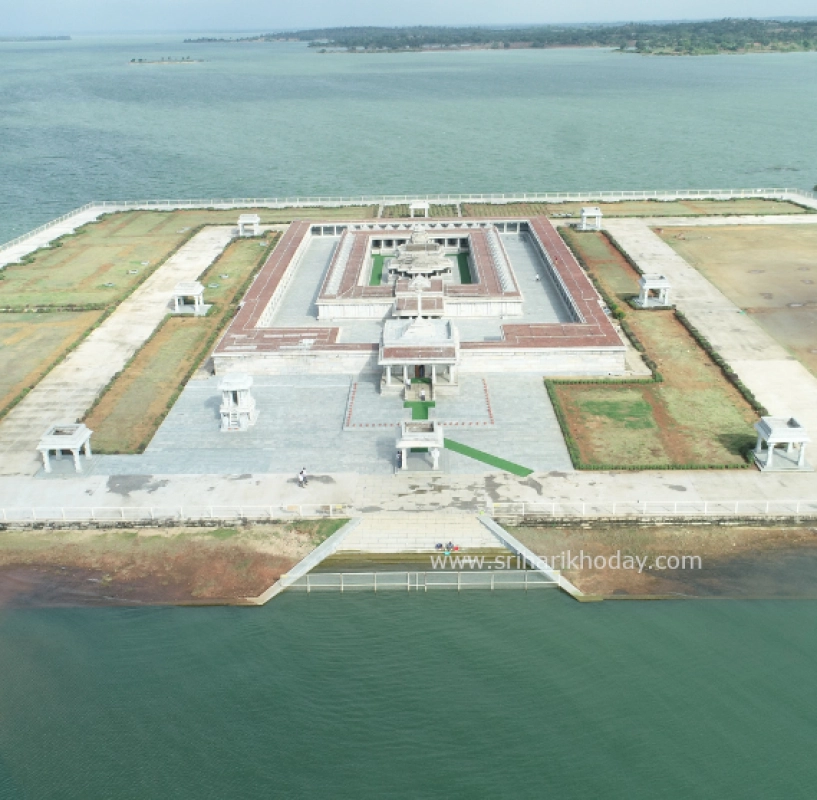
Sri Venugopalaswamy Temple at Hosa Kannambadi, near the Krishnaraja Sagara (KRS) Dam in Mandya district, Karnataka, is a Hoysala-era temple with one of the most remarkable stories of any shrine in South India. Once swallowed by the waters of the KRS reservoir, it was carefully dismantled and rebuilt on higher ground, and today it stands beside the backwaters as a beautiful, peaceful place of worship, about 20 km from Mysuru.
Main Deity and Worship
The presiding deity is Sri Venugopalaswamy – Lord Krishna as the divine cowherd, playing His flute (venu). The image of the Lord with the flute is a much-loved form in Karnataka, symbolising the joy and love that Krishna's music brings to all beings. Daily pujas are performed, and the temple is a popular place for families to seek the Lord's blessings.
History – The Temple That Rose from the Water
The temple was built around the 12th–13th century, during the rule of the Hoysala dynasty, in the old village of Kannambadi on the banks of the Kaveri river.
In the early 20th century, the Maharaja of Mysore built the Krishnaraja Sagara Dam across the Kaveri. As the reservoir filled, old Kannambadi village – along with the Venugopalaswamy temple – was submerged. The villagers were resettled in a new village, Hosa Kannambadi ("New Kannambadi"), and for decades the temple lay under water, appearing only in years of drought when the reservoir level fell low.
In the 2000s, a philanthropic trust supported by the Khoday family took up the task of saving the temple. The structure was taken apart stone by stone, each piece numbered, and then reassembled on higher ground near the reservoir, following the original design. The rebuilt temple has since become a much-visited heritage and pilgrimage site.
Architecture
The temple shows the classic features of Hoysala architecture: a raised platform, finely carved outer walls, a pillared hall and a sanctum crowned by a tower. The soft stone used by Hoysala craftsmen allowed for detailed carving of deities, dancers and floral designs. The temple is enclosed by a wide courtyard with a pillared cloister, and its setting beside the blue backwaters of the KRS reservoir makes it especially picturesque.
Mahima / Significance
For devotees, the temple's survival is itself a sign of the Lord's grace – a shrine that went under the water and rose again. For heritage lovers, it is a rare example of an entire ancient temple being moved and rebuilt to save it. Its calm surroundings make it a favourite spot for prayer, photography and quiet reflection.
Temple Timings
- The temple is generally open from morning to evening.
- Timings may change on festival days. Please check locally before your visit.
Festivals
- Sri Krishna Janmashtami (August–September): the birth of Lord Krishna is celebrated with special pujas and decorations.
- Vaikuntha Ekadasi (December–January): special darshan and worship of the Lord.
- Mysuru Dasara season (September–October): the KRS area receives many visitors during the Dasara festivities.
How to Reach
By Road: Hosa Kannambadi is about 20 km from Mysuru, close to the KRS Dam and Brindavan Gardens, and about 140 km from Bengaluru. KSRTC buses run from Mysuru to KRS, and taxis and autos are easily available.
By Train: The nearest major railway station is Mysuru Junction, about 25 km away.
By Air: Mysuru Airport (MYQ) is about 35 km away. Kempegowda International Airport, Bengaluru, has many more flights and is about 180 km away.
Visitor Information
- Dress code: traditional or modest attire is recommended.
- Best time to visit: October to March, when the weather is pleasant. Early mornings and late afternoons give the best light over the backwaters.
- Combine your visit: plan the visit together with the KRS Dam and the Brindavan Gardens, which are close by.
- Nearby places: Brindavan Gardens, Ranganathittu Bird Sanctuary, Srirangapatna (Sri Ranganathaswamy Temple), Mysuru Palace and Chamundi Hills.
