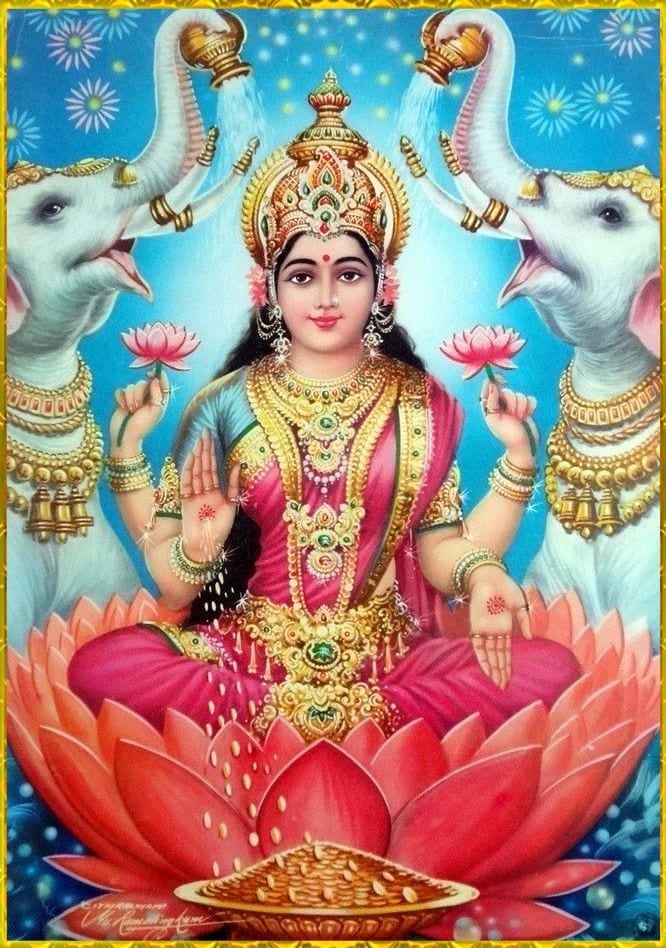
Lakshmi Devi: Goddess of Prosperity, Grace and Auspicious Living
Lakshmi Devi, also lovingly called Shri, Mahalakshmi, Kamala, Padma and Narayani, is one of the most beloved goddesses in Hindu tradition. She represents wealth, prosperity, beauty, fertility, good fortune, royal dignity and spiritual well-being. In Vaishnava traditions she is the divine consort and shakti of Lord Vishnu, and together they are worshipped as Lakshmi Narayana, the sustaining principle of the universe.
Her blessings are not limited to money or possessions. Lakshmi stands for every form of abundance that allows life to flourish: food, harmony in the home, generosity, ethical success, courage, wisdom, fertility, fame, refinement and inner contentment. This is why her worship is closely connected with cleanliness, gratitude, discipline, charity and a peaceful family life.
Meaning of the Name Lakshmi
The Sanskrit name Lakshmi is often connected with the idea of lakshya, a goal or noble aim. In this sense, Lakshmi is the power that helps human beings move toward meaningful, auspicious and dharmic goals. Her other name Shri means radiance, prosperity, dignity and sacred beauty. In many prayers, the words Shri and Lakshmi are used together to express both material fortune and spiritual auspiciousness.
Iconography and Symbolism
Lakshmi Devi is usually depicted seated or standing on a fully bloomed lotus. The lotus grows in water yet remains untouched by mud, making it a powerful symbol of purity, wisdom and graceful living in the world. Her golden complexion represents brilliance, generosity and life-giving abundance.
- Four hands: They are commonly understood as the four purusharthas, or goals of human life: dharma, artha, kama and moksha.
- Lotus flowers: They symbolize purity, spiritual awakening and prosperity that blooms through righteous action.
- Gold coins: They represent generosity and the flow of resources when wealth is used wisely.
- Elephants: In Gaja Lakshmi forms, elephants pouring water signify royal power, fertility, rainfall and abundance.
- Owl: Her vahana reminds devotees to use wealth with alertness and wisdom, not with pride or blindness.
Lakshmi in the Samudra Manthan
One of the most famous legends of Lakshmi appears in the story of Samudra Manthan, the churning of the Ocean of Milk. When the devas and asuras churned the cosmic ocean in search of amrita, many divine treasures emerged. Among them appeared Lakshmi Devi, radiant and auspicious, bringing prosperity and beauty back into the cosmos.
After her emergence, Lakshmi chose Lord Vishnu as her eternal consort. This moment is deeply symbolic: prosperity becomes stable and beneficial only when it is joined with preservation, order, compassion and dharma. The story also teaches that abundance may arise after effort, patience and cooperation, but it must be guided by righteousness to become truly auspicious.
Relationship with Lord Vishnu
Lakshmi is inseparable from Vishnu in many Vaishnava traditions. Vishnu preserves and protects the universe, while Lakshmi nourishes it with grace, compassion and prosperity. When Vishnu descends in avataras, Lakshmi is believed to accompany him in suitable forms. She is revered as Sita with Lord Rama, as Rukmini in Krishna traditions, and as the compassionate mother who intercedes for devotees seeking Vishnu's grace.
In South Indian temple traditions, she is often worshipped as Sri Devi, Bhu Devi and sometimes Nila Devi beside Vishnu. Sri Devi represents auspicious grace, Bhu Devi represents the earth and patient nourishment, and Nila Devi represents a tender, devotional aspect of divine compassion.
Ashta Lakshmi: Eight Forms of Prosperity
The worship of Ashta Lakshmi celebrates eight dimensions of abundance. These forms remind devotees that prosperity is complete only when it includes courage, knowledge, food, family, victory and spiritual strength, not merely wealth.
- Adi Lakshmi: Primordial prosperity and divine protection.
- Dhana Lakshmi: Wealth, resources and material well-being.
- Dhanya Lakshmi: Food, harvests and nourishment.
- Gaja Lakshmi: Royal dignity, strength and fertility.
- Santana Lakshmi: Blessings for children and family continuity.
- Veera Lakshmi: Courage, confidence and perseverance.
- Vijaya Lakshmi: Success and victory in righteous efforts.
- Vidya Lakshmi: Knowledge, learning and refined understanding.
Worship, Festivals and Devotional Practice
Lakshmi Puja during Diwali is among the most widely observed forms of her worship. Devotees clean and decorate homes, light lamps, prepare offerings and pray for prosperity, peace and auspicious beginnings. The lamps are not only symbols of wealth but also of inner clarity, inviting divine grace into a home that is pure, grateful and disciplined.
Varalakshmi Vratam, observed especially in South India, is another important festival dedicated to the goddess. Fridays are also considered sacred for Lakshmi worship in many households. Common offerings include lotus flowers, turmeric, kumkum, fruits, sweets, lamps and recitation of prayers such as Sri Suktam, Lakshmi Ashtottaram, Kanakadhara Stotram and Mahalakshmi Ashtakam.
Spiritual Message of Lakshmi
Lakshmi teaches that prosperity should be earned with dharma, preserved with humility and shared with generosity. Wealth without ethics can become restless, but wealth joined with compassion becomes a blessing. Her worship therefore encourages devotees to keep both the outer home and the inner mind clean, truthful and welcoming.
For devotees, Lakshmi Devi is not only the giver of fortune but also the presence of grace in everyday life: a meal shared with love, a peaceful home, honest work, learning, courage, beauty, devotion and the ability to help others. To invite Lakshmi is to invite auspiciousness into thought, speech and action.
Related Temples
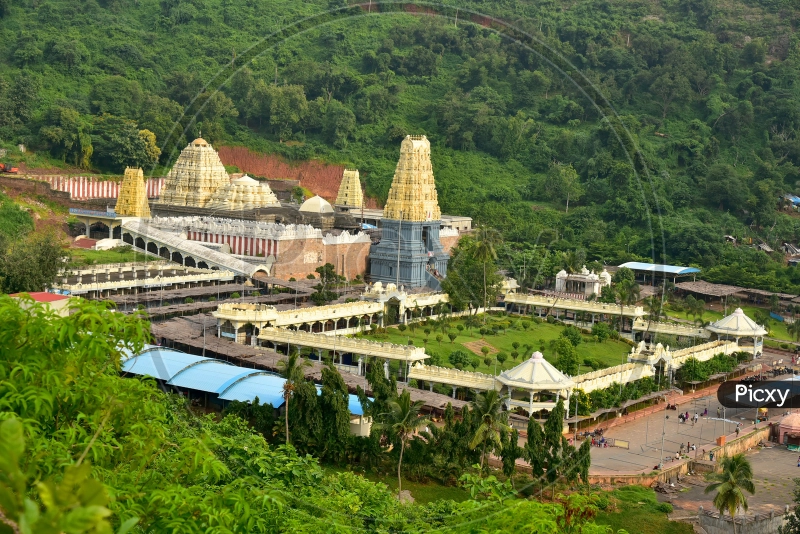
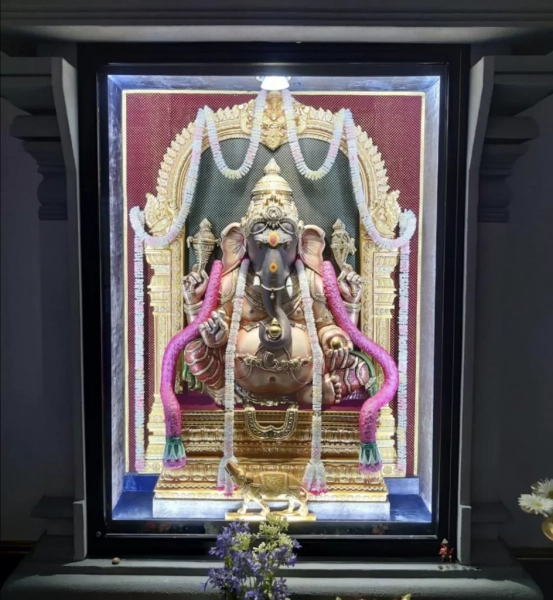
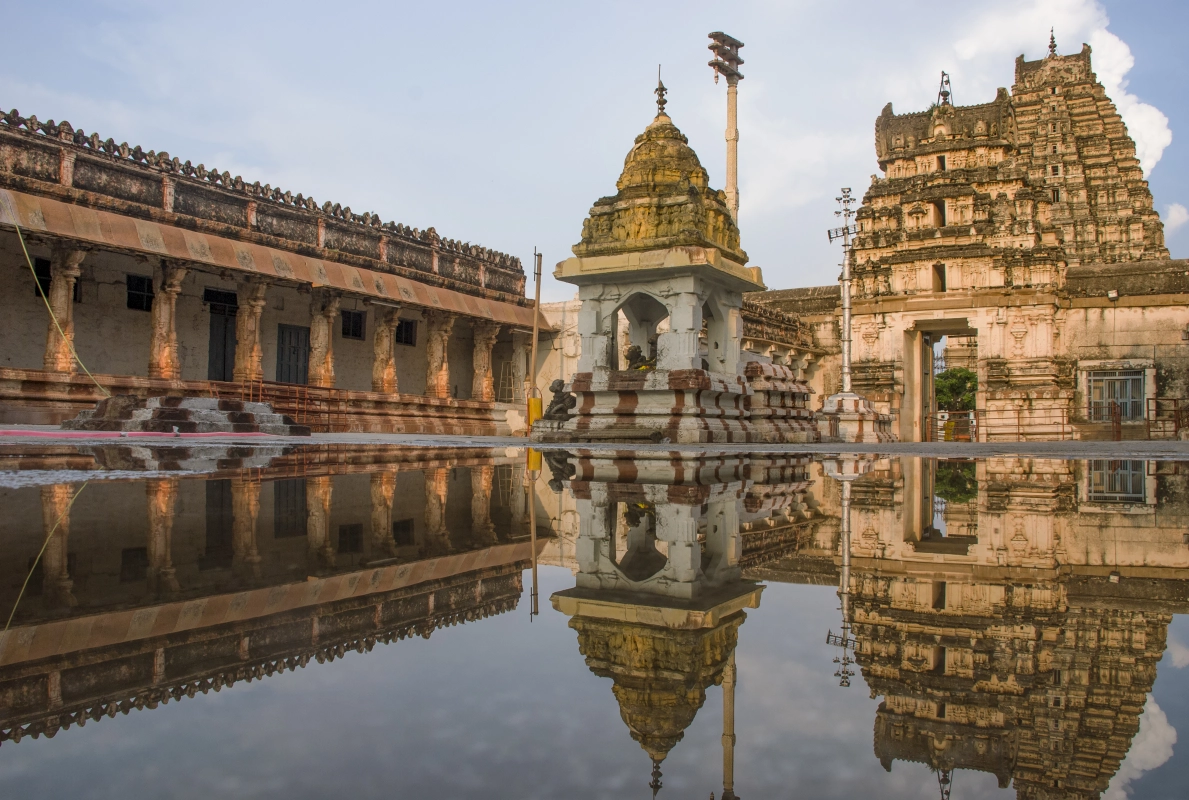
Explore temples →
Related Mantras & Slokas
Browse mantras →Continue Exploring
Open related mythology, temple pages, mantras and the interactive connection web.