Lord Venkateswara Swamy: The Lord of Tirumala and Kaliyuga Varada
Lord Venkateswara Swamy, also worshipped as Srinivasa, Balaji, Venkatachalapati, Govinda, Venkata Ramana and Malayappa Swamy, is one of the most beloved forms of Lord Vishnu. He is the presiding deity of Tirumala in Andhra Pradesh and is revered by millions as the compassionate lord who protects devotees in Kali Yuga. The name Venkateswara is closely associated with the sacred Venkata hill, where the Lord is believed to have manifested for the welfare of humanity.
Devotees lovingly call him Kaliyuga Pratyaksha Daivam, the visible and accessible deity of the present age. His worship brings together devotion, surrender, service, gratitude and the hope that divine grace can lift even ordinary people through faith and righteous living.
Meaning of the Name Venkateswara
The name Venkateswara is commonly understood as the Lord of Venkata. Venkata refers to the sacred hill range of Tirumala, and Ishwara means lord or supreme ruler. A traditional devotional interpretation also says that Venkata destroys sins and obstacles, making Venkateswara the lord who removes accumulated burdens and grants spiritual upliftment.
The name Srinivasa means the abode of Sri, referring to Goddess Lakshmi. Balaji is a popular North Indian name of the deity, while Govinda is a beloved name chanted by pilgrims as an expression of surrender, joy and remembrance of Vishnu's protective grace.
Origin and Tirumala Legend
The mythology of Lord Venkateswara is closely connected with the Tirumala hills, also known as Seshachalam. According to sacred tradition, Lord Vishnu descended to earth as Srinivasa to bless devotees during Kali Yuga. The hill itself is associated with Adisesha, the divine serpent of Vishnu, and the seven hills are revered as sacred forms linked with the Lord's cosmic presence.
One important legend describes how the Lord came to earth after events involving Sage Bhrigu, Goddess Lakshmi and Lord Vishnu. In order to bless the world and reunite divine harmony, Vishnu took residence on the Venkata hill as Srinivasa. There he later married Padmavati Devi, who is associated with the grace of Lakshmi, making the Tirumala tradition a beautiful expression of Vishnu's compassion and Sri's auspicious presence.
Padmavati Devi and Lakshmi Connection
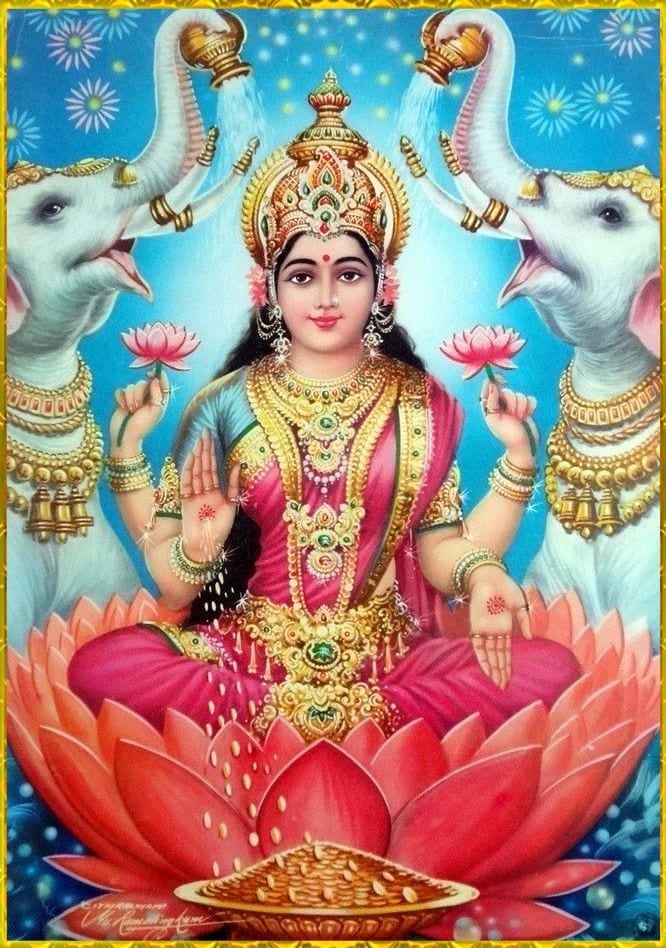
Lord Venkateswara's story is incomplete without the presence of divine feminine grace. Goddess Lakshmi is inseparable from Vishnu as Sri, the power of prosperity, compassion and auspiciousness. Padmavati Devi, worshipped at Tiruchanur, is revered as the divine consort of Venkateswara. The Lord's marriage with Padmavati is celebrated as a sacred event that brings together protection, prosperity and universal welfare.
This connection teaches that divine grace is complete when strength is joined with compassion and preservation is joined with nourishment. Devotees visit both Tirumala and Tiruchanur to receive the blessings of Lord Venkateswara and Padmavati Ammavaru.
Iconography and Sacred Symbols
The form of Lord Venkateswara in Tirumala is majestic, mysterious and deeply symbolic. The deity stands with divine dignity, radiating both royal authority and tender compassion.
- Shankha and Chakra: The conch and discus identify him as Vishnu and symbolize dharma, protection, cosmic order and the power to destroy evil.
- Vertical namam: The sacred mark on his forehead represents Vaishnava devotion and the Lord's connection with Sri.
- Right hand in varada gesture: The hand of blessing assures devotees that sincere surrender will be protected.
- Left hand near the waist: Often interpreted as a reminder that the ocean of worldly life can be crossed through refuge in the Lord.
- Ornaments and crown: They represent divine kingship, auspiciousness and the Lord's role as protector of devotees.
- Dark stone form: The deep color evokes mystery, eternity and the immeasurable nature of the divine.
Major Legends and Devotional Stories
The legends of Venkateswara Swamy emphasize compassion, patience and accessibility. One cherished story speaks of the Lord accepting a loan from Kubera for his divine wedding, and devotees offering their gifts as part of loving participation in the Lord's sacred household. This expresses a unique devotional relationship: the devotee does not merely ask from God, but joyfully participates in God's service.
Another powerful tradition is the offering of hair by devotees. Tonsuring at Tirumala symbolizes humility, surrender and the letting go of ego. By giving up personal pride and vanity, the devotee approaches the Lord with a cleansed heart. The constant chanting of Govinda, Govinda during pilgrimage expresses the living energy of devotion that surrounds Tirumala.
Worship at Tirumala
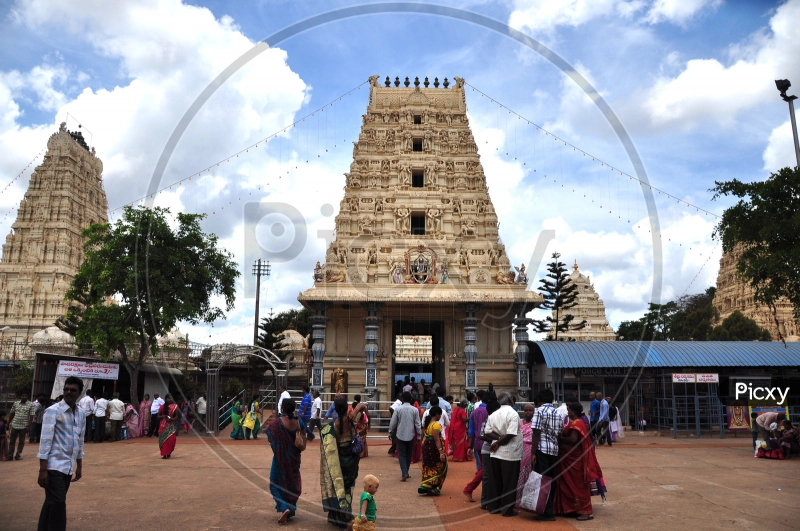
Tirumala Sri Venkateswara Temple is one of the most visited sacred places in the world. Daily worship includes suprabhata seva, alankara, naivedyam, archana, darshan and numerous sevas. The Lord is also worshipped through the utsava murti Malayappa Swamy, who blesses devotees during processions and festivals.
The famous Tirupati laddu prasadam, the sound of Vedic chanting, the long pilgrimage steps, the golden gopuram and the discipline of darshan all form part of a living sacred culture. For many devotees, the journey to Tirumala itself is an act of surrender, gratitude and renewal.
Festivals and Celebrations
Brahmotsavam is the grandest festival of Lord Venkateswara, celebrated with majestic processions, vahanas and devotional gatherings. Vaikunta Ekadashi, Rathasapthami, Pavitrotsavam, Pushpayagam and Teppotsavam are also important celebrations. Every festival presents the Lord as both king and compassionate guardian, blessing devotees through beauty, ritual and collective devotion.
In homes, devotees worship Venkateswara Swamy on Saturdays, during special vows, before important beginnings and in moments of gratitude. Simple prayers such as Om Namo Venkatesaya, Govinda Nama Smarana and Vishnu Sahasranama recitation are deeply associated with his devotion.
Cultural and Spiritual Significance
Lord Venkateswara Swamy is more than the deity of one temple. He is a cultural and spiritual presence across India and the world. His temples are found in many countries, and the names Govinda, Srinivasa and Balaji carry the emotional power of trust, protection and divine nearness.
Spiritually, Venkateswara teaches surrender with dignity. He accepts all devotees, whether learned or simple, wealthy or poor, near or far. His message is that sincere devotion, humble service and remembrance of the divine can transform life. To stand before Lord Venkateswara is to feel that the burdens of Kali Yuga can be offered at the feet of a compassionate protector.
Connections
Related Temples
Explore temples →
Continue Exploring
Open related mythology, temple pages, mantras and the interactive connection web.