Holi, known in the Telugu lands as Kamuni Punnami, is the spring festival of Phalguna Pournami. Villages light the Kama Dahanam bonfire, remembering how Lord Shiva burnt Kamadeva with his third eye, and the next morning everyone celebrates with colours. Many Vishnu temples hold Dolotsavam, the swing festival of the Lord.
Festival Dates
Introduction
Holi is the joyful spring festival of Phalguna Pournami, the full moon of the month of Phalguna, usually in March. In Telangana and Andhra Pradesh it is also called Kamuni Punnami (or Kama Purnima), and its bonfire is known as Kama Dahanam – Kamuni dahanam in the villages. The fire is lit on the full-moon night, and the colours (vasantham) follow, as per the local panchang. In many Vishnu temples the same full moon is celebrated as Dolotsavam, when the Lord is placed on a decorated swing.
Significance and Legend
According to tradition, after the loss of Sati, Lord Shiva sat in deep meditation. To awaken his love for Goddess Parvati, Kamadeva (Manmatha), the god of love, shot his flower arrow at Shiva, who opened his third eye and burnt Kama to ashes. Moved by the prayers of Kama's wife Rati, Shiva later allowed Kama to live on without a body, as Ananga. The Kama Dahanam bonfire recalls this story – the burning of desire, anger and pride in the fire of wisdom. In North India and many other regions, the bonfire is Holika Dahan, remembering how the demoness Holika perished in the fire while the young devotee Prahlada was saved by Lord Vishnu. Both stories carry the same message: the victory of good over evil, and of devotion over arrogance.
How it is Celebrated in Telangana and Andhra Pradesh
- Kamuni Punnami in Telangana: in the days leading up to the full moon, children and young people go round the village with kolatam sticks, singing the "Jajiri" folk songs and collecting firewood, dried cow-dung cakes, rice and grain from every home.
- Kama Dahanam: an image of Kama (Kamudu) is set up at the centre of the village or at the main crossroads. The elders and the women of the village worship it with offerings, the fire is lit, and people walk around the flames, praying to be free of negative qualities. Many apply a little of the sacred ash on their foreheads, as local belief holds that it protects against skin ailments.
- Colours: the next morning, people of every age sprinkle coloured powder and coloured water (vasantham) on one another. Traditionally the colours were made from flowers such as moduga (flame of the forest), and many families now prefer natural, gentle colours again.
- Songs and dances: women sing folk songs while men perform kolatam, and the celebrations bring the whole village together.
- Dolotsavam in the temples: in the Uttarandhra temples, the festival is kept as a three-day Dolotsavam – Kama Dahanam on the first evening, and the Lord on the swing (dola) on Pournami, with devotees sprinkling colours.
Rituals and Puja
- Worship of the Kama image with offerings before the bonfire is lit, and circumambulation of the sacred fire.
- On Pournami, darshan of the Lord in the Dolotsavam (swing festival) and Vasanthotsavam at Vishnu temples.
- Prayers to Lord Shiva and Goddess Parvati, and to Lord Vishnu, for a life free of ego and ill will.
Foods and Offerings
- Food offerings (naivedyam) placed before the Kama image before the bonfire.
- Rice, grain and firewood collected from every home for the community fire.
- Sweets shared with family, friends and neighbours on the day of colours.
Temples Known for this Festival
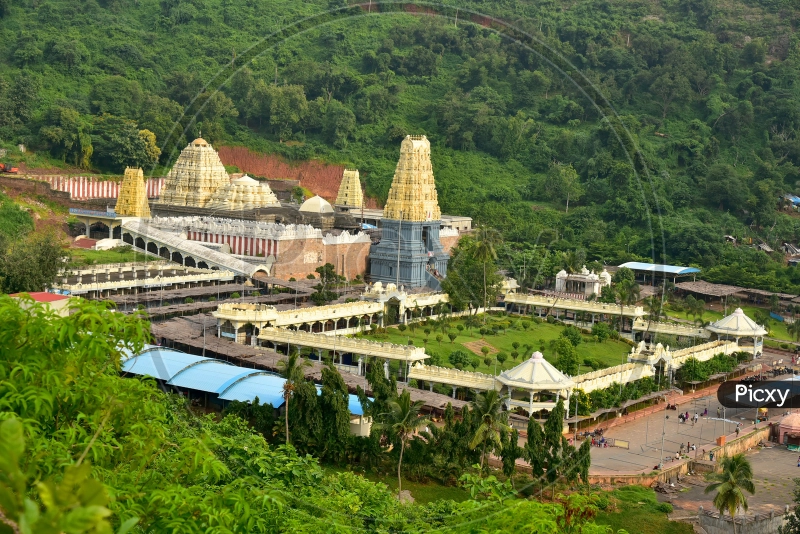
- Sri Varaha Lakshmi Narasimha Swamy Vari Devasthanam, Simhachalam – on Phalguna Pournami the Lord is taken in procession for Dolotsavam and Vasanthotsavam, and devotees sprinkle colours on one another.
- Sri Kurmanatha Swamy Temple, Srikurmam – the three-day Dolotsavam, beginning with Kama Dahanam, is the temple's most prominent festival.
- Sri Suryanarayana Swamy Temple, Arasavalli – a three-day Dolotsavam, with Kama Dahanam on the first evening and the Lord on the swing on Pournami.
The Holi date is shown in the festival dates above. Holi falls on Phalguna Pournami as per the Telugu panchang; the Kama Dahanam bonfire is lit on the full-moon night, as per the local panchang.
Temples Celebrating Holi (Kamuni Punnami)