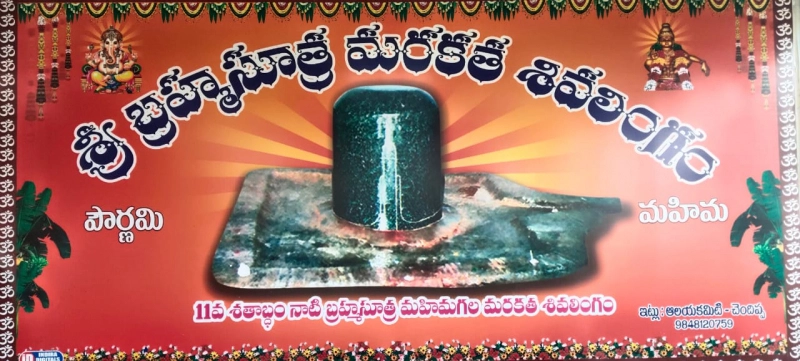
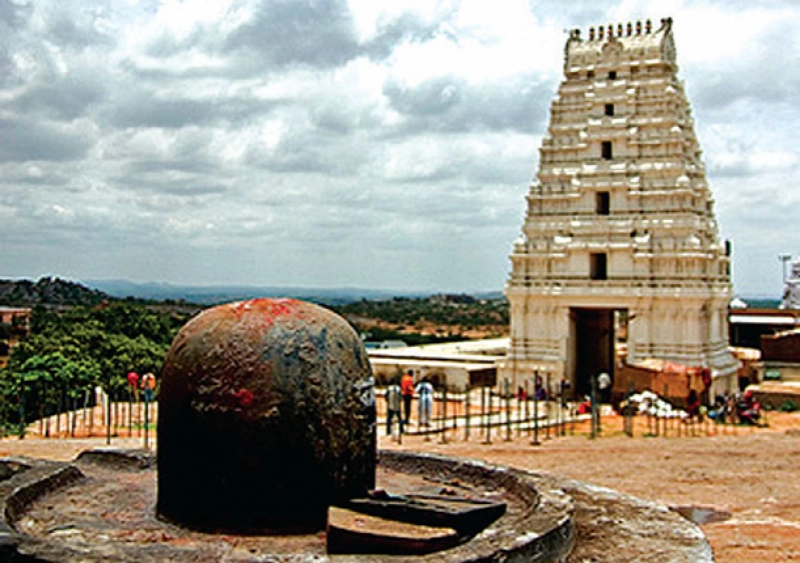
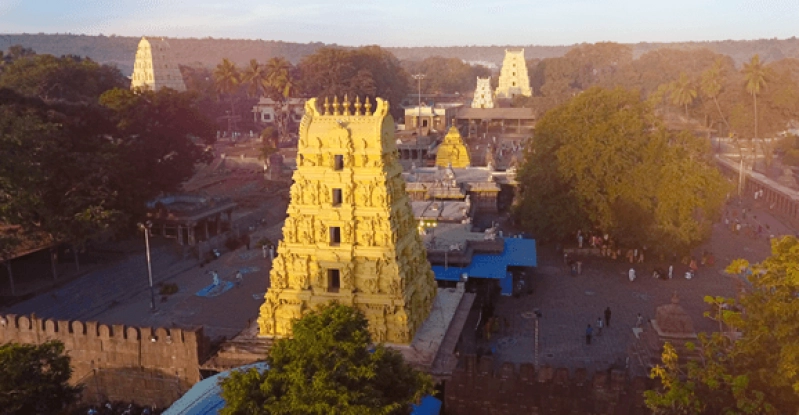
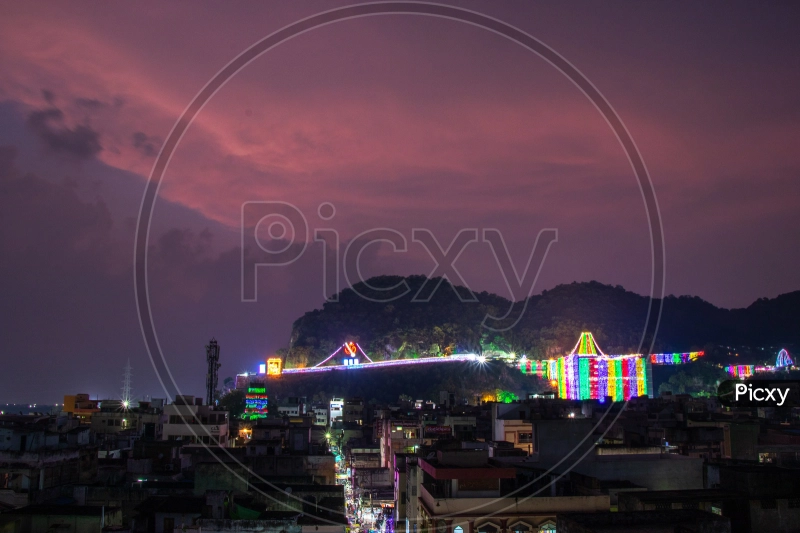
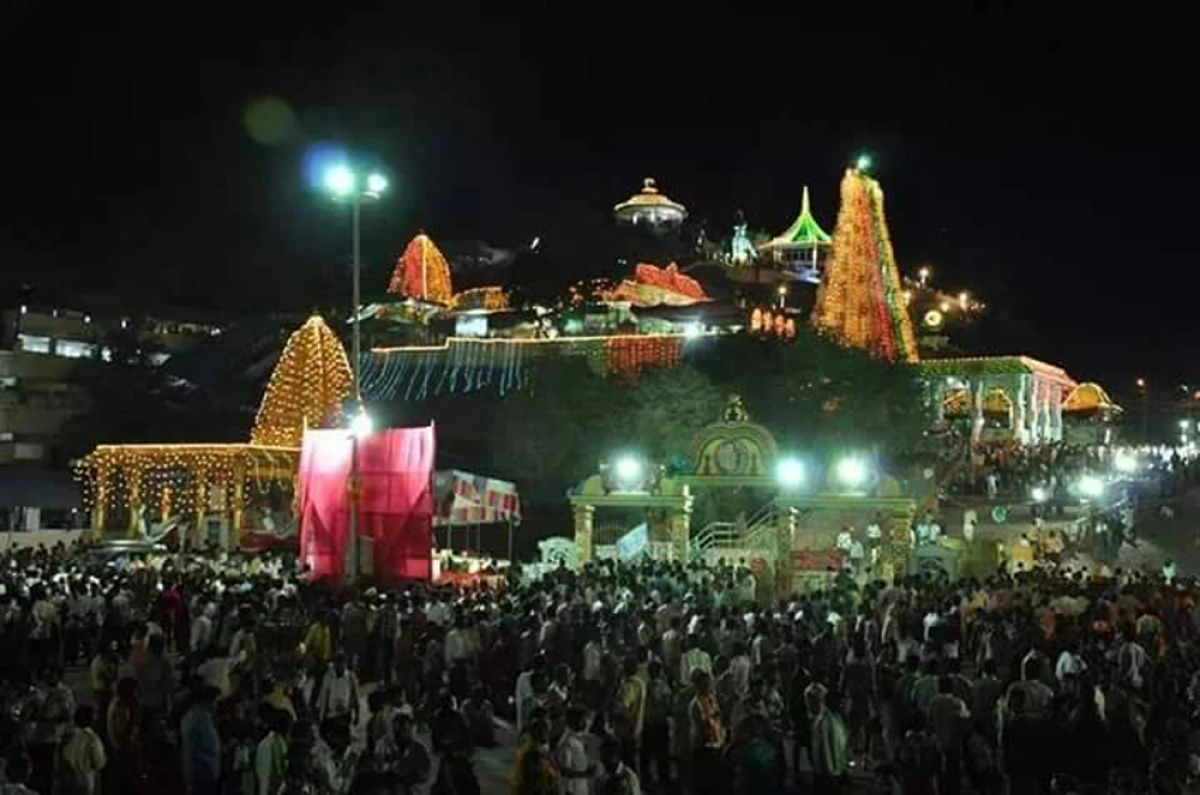
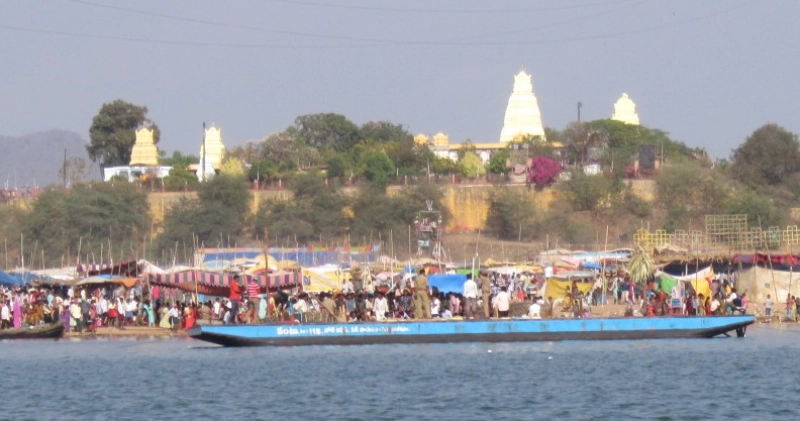
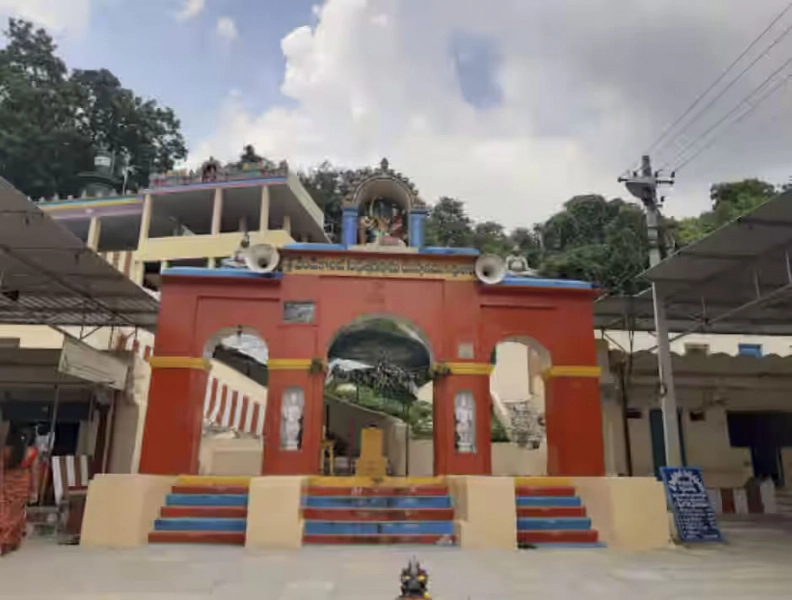
Maha Shivaratri, the great night of Lord Shiva, is observed with fasting, night-long jagarana and abhishekam to the Shiva Lingam. In the Telugu states, lakhs gather at Srisailam, Kotappakonda and Keesaragutta.
Festival Dates
Introduction
Maha Shivaratri – "the great night of Shiva" – is the most sacred night of the year for devotees of Lord Shiva. It is observed on the Chaturdashi (fourteenth day) of the dark fortnight of the month of Magha, on the night before the new moon. Unlike most festivals, its heart is the night: devotees fast through the day, stay awake through the night in worship, and offer abhishekam to the Shiva Lingam in each of the four watches (praharas) of the night. Across Andhra Pradesh and Telangana, Shiva temples – from great kshetras to village shrines – overflow with devotees chanting Om Namah Shivaya and Hara Hara Mahadeva.
Significance and Legend
According to tradition, on this night Lord Shiva appeared as an endless column of light – the Lingodbhava – whose top and bottom neither Brahma nor Vishnu could find, revealing his infinite nature. This is why the midnight hour, the Lingodbhava kalam, is considered the holiest moment of Shivaratri. Many devotees also remember Maha Shivaratri as the sacred night of the union of Shiva and Parvati.
The Shiva Purana tells of a hunter who, lost in the forest on this night, climbed a bilva tree for safety and stayed awake until dawn. Without knowing it, he dropped bilva leaves and drops of water on a Shiva Lingam below the tree – and through this unknowing worship, fasting and wakefulness, he received Shiva's grace. The story teaches that sincere devotion on Shivaratri is never wasted.
How it is Celebrated in Andhra Pradesh and Telangana
- Upavasam (fasting): devotees fast through the day – many take only water, milk or fruits – dedicating the day to prayer and the chanting of Shiva's names.
- Jagarana (night vigil): families stay awake through the night with bhajans, Shiva stories, recitation of the Shiva Panchakshari and devotional programmes in temples and community halls.
- Holy dips and temple visits: many take a holy bath in a river or temple tank and visit Shiva temples, often travelling to the great Shaiva kshetras of the Telugu states.
- Prabhalu: at Kotappakonda and other places, villages build towering, brightly lit prabhas and bring them to the temple in procession – one of the most spectacular sights of Shivaratri in Andhra Pradesh.
- Jataras: large fairs grow up around hill temples such as Kotappakonda and Keesaragutta, with lakhs of devotees from towns and villages.
Rituals and Puja
- Abhishekam: the Shiva Lingam is bathed with water, milk, curd, honey, ghee and sugar (panchamrutham), and with sacred river water, to the chanting of the Sri Rudram and Om Namah Shivaya.
- Bilva archana: three-leaved bilva leaves, especially dear to Shiva, are offered along with flowers and vibhuti.
- Four prahara pujas: worship is offered in each of the four watches of the night, with the most important abhishekam at midnight, the Lingodbhava kalam.
- Parana: the fast is completed the next morning after a bath and puja, followed by a simple meal.
Foods and Offerings
- Shivaratri is a day of fasting rather than feasting. Those who do not observe a full fast take fruits, milk and simple fasting foods – in the Telugu states, boiled or roasted sweet potato (chilagada dumpa) is a familiar Shivaratri food.
- Offerings to Shiva include milk, panchamrutham, bilva leaves, fruits and coconut.
Temples Known for this Festival
- Sri Bhramaramba Mallikarjuna Swamy Temple, Srisailam – the eleven-day Maha Shivaratri Brahmotsavams at this Jyotirlinga, with the midnight Lingodbhava kala Mahabhishekam, the unique Pagalankarana – when a long hand-woven cloth is wound around the vimana and the Nandis in darkness – and the Kalyanotsavam of the Lord and the Goddess.
- Sri Trikoteswara Swamy Temple, Kotappakonda – the Kotappakonda Tirunala, celebrated as a state festival of Andhra Pradesh, when villages bring towering, illuminated prabhalu to the hill and lakhs of devotees gather.
- Keesaragutta Sri Ramalingeswara Swamy Temple – lakhs of devotees from Hyderabad and around come for abhishekam and the night-long vigil.
- Sri Ramalingeswara Swamy Vari Devasthanam, Yanamalakuduru – the Shivaratri Prabhala Utsavam on Munigiri hill near Vijayawada, when tall lit prabhas are taken around the hill.
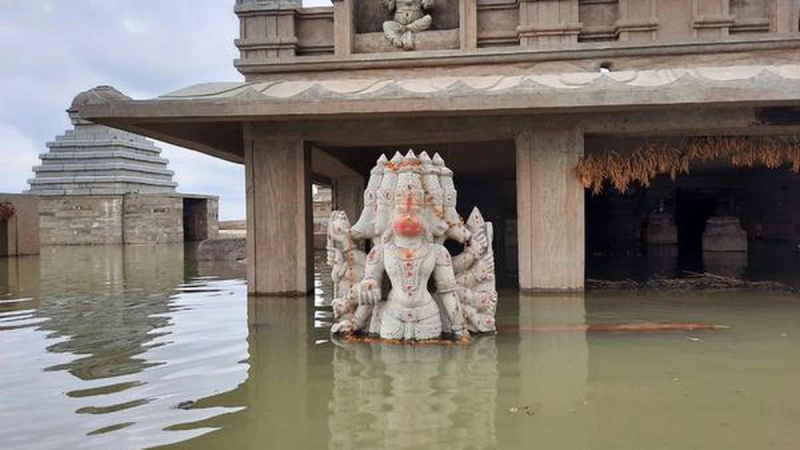
- Sangameshwaram Lord Shiva Temple – an ancient Shiva temple at the confluence of rivers that lies under the waters of the Srisailam reservoir for much of the year; darshan and worship there are possible only when the waters recede, so please check local conditions before planning a Shivaratri visit.
The next Maha Shivaratri date is shown in the festival dates above. It falls on Magha Krishna (Bahula) Chaturdashi as per the Telugu panchang; the night of worship is the night of that date.
Temples Celebrating Maha Shivaratri