Sri Varaha Lakshmi Narasimha Swamy Vari Devasthanam
Simhachalam
Simhachalam, Andhra Pradesh, India

 Nearby Airport: Visakhapatnam
 Nearby Railway Station: Visakhapatnam
 Nearby Bus Station:
Visakhapatnam
Nearby Bus Station:
Visakhapatnam
Description:
Sri Varaha Lakshmi Narasimha Swamy Vari Devasthanam, Simhachalam
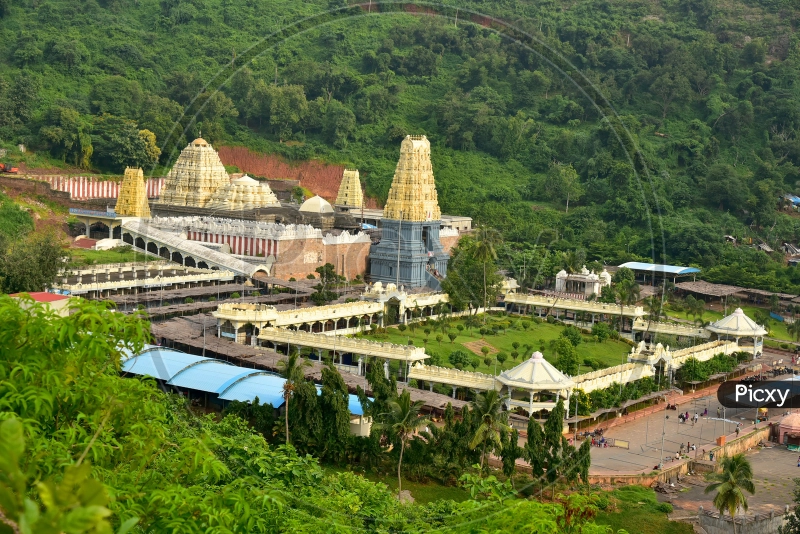
Sri Varaha Lakshmi Narasimha Swamy Vari Devasthanam at Simhachalam is one of Andhra Pradesh's most important Vaishnava temples. Located on the Simhachalam hill range near Visakhapatnam, the temple is dedicated to Lord Vishnu in the rare combined form of Varaha Narasimha, along with Simhavalli Thayar. Devotees lovingly call the deity Simhadri Appanna, Simhadrinatha and Appanna Swamy.
Sacred Significance
Simhachalam means the hill of the lion. The deity combines two powerful Vishnu forms: Varaha, who rescued the earth, and Narasimha, who protected Prahlada and destroyed Hiranyakashipu. This makes the shrine a place of protection, courage, fulfilment of vows and spiritual refuge. The deity is believed to bless devotees with health, children, prosperity, family welfare and relief from fear.
The Sandalwood-Covered Deity
The most distinctive feature of Simhachalam is that the main deity is covered with sandalwood paste throughout the year. Because of this covering, the deity appears in a linga-like form to devotees on most days. Only once a year, on Akshaya Tritiya during Chandanotsavam, the sandalwood covering is removed and devotees receive the rare Nijarupa Darshanam of Sri Varaha Lakshmi Narasimha Swamy.
History and Architecture
The temple has a history of nearly a thousand years and contains hundreds of inscriptions in Telugu, Sanskrit, Odia and Tamil. Historical references connect the shrine with the Later Cholas, Eastern Gangas, Gajapatis and other patrons. The present temple is associated with the 13th century Eastern Ganga ruler Narasingha Deva I and reflects a blend of Kalinga and Dravidian architectural traditions, with a hilltop setting, gopurams, mandapams, inscriptions and sub-shrines.
Temple Legends
According to the sthala purana, Prahlada requested Lord Vishnu to appear in a form that joined Varaha and Narasimha. The Lord manifested as Varaha Narasimha, and Prahlada worshipped him on the hill. Another tradition says that King Pururava later rediscovered the buried deity and restored worship. The instruction to keep the deity covered with sandalwood paste is remembered as part of this sacred tradition.
Important Shrines
The temple complex includes shrines and worship spaces connected with Simhavalli Thayar, Andal, the Alvars, Sri Ramanuja, Manavala Mamunigal, Vishvaksena and other Vaishnava traditions. These shrines highlight Simhachalam's long role as a major centre of Sri Vaishnava worship in coastal Andhra.
Festivals
Chandanotsavam is the most famous festival, drawing very large crowds for Nijarupa Darshanam. Kalyanotsavam, Narasimha Jayanti, Navaratrotsavam, Kamadahana, Dolotsavam, Karthika Deepavali and other annual observances are also celebrated. The temple follows a rich calendar of daily, weekly, monthly and annual rituals rooted in agama tradition and local custom.
Giri Pradakshina
Simhachalam Giri Pradakshina is another major devotional event, where lakhs of devotees walk around the hill in a long spiritual circumambulation, often barefoot. The walk is a powerful act of surrender and thanksgiving, supported by volunteers, temple arrangements and civic services during the festival period.
How to Reach
The temple is in Simhachalam near Visakhapatnam. Visakhapatnam railway station, bus station and airport are the nearest major transport points. The hill temple can be reached by road from Visakhapatnam city, and pilgrims usually travel by bus, taxi, auto or private vehicle. During Chandanotsavam and Giri Pradakshina, special transport, traffic and queue arrangements may be in place.
Visitor Notes
Devotees should check current Devasthanam information for darshan timings, seva bookings, Chandanotsavam arrangements, prasadam counters and hill access. Traditional dress, patience in queues and respect for the sandalwood-covering tradition help preserve the sanctity of this ancient hill shrine.