Heritage · Faith · Tradition
About the Temple
Introduction
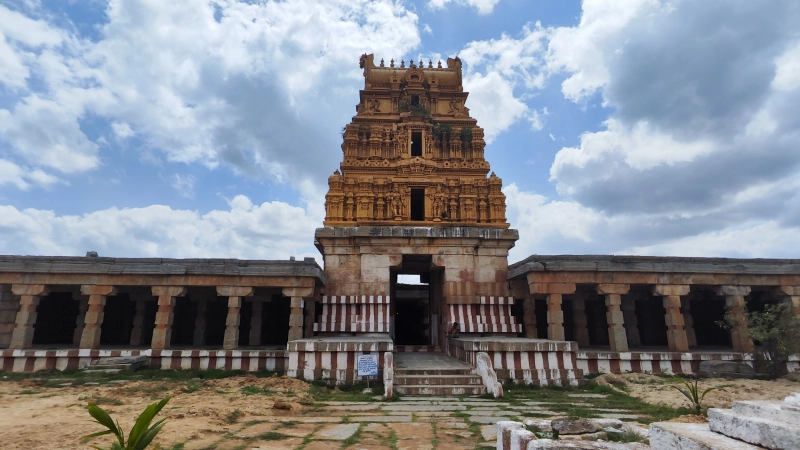
Sri Uma Siddeswara Swamy Temple, known locally as the Shivalayam, is the ancient Shiva temple of Attili, a mandal headquarters town about 13 km from Tanuku in Andhra Pradesh. Here Lord Shiva is worshipped as Siddeswara together with Goddess Uma. The temple is believed to have a history of about 1,200 years and is closely bound up with the legend of the great sage Atri, after whom Attili itself is said to be named.
Atri Maharshi and the Name Attili
Attili is famed as the tapobhumi – the land of penance and sacrifice – of Atri Maharshi, one of the Saptarishis. Local tradition holds that the sage lived here, and that the name Atri gradually became Attili. The Vayu Purana, in its account of the origin of the Gostani river, counts the Siddeswara temple at Attili among the twenty-three sacred places of the Panara region, and says that the Linga was installed by Atri himself – which is why the Lord is also called Atriswara Swamy. Villagers say that in earlier times Shiva Lingas were found at many places in Attili, and that the area near the temple known as the Lingala Doddi was full of them.
The Sanctum
Inside the sanctum is the image of an ascetic lying prostrate before the Lord. Devotees identify him as Atri Maharshi, who is said to have asked that the sacred water of the Lord's abhishekam should always flow over his body – a wish the Lord granted. This rare image is one of the most moving sights of the temple.
The Ganga Bavi
Near the temple is an old well called the Siddanna Bavi or Ganga Bavi. According to legend, when Goddess Ganga appeared before Anasuya Devi, Atri's devoted wife, Anasuya asked her to make her waters flow here – and so the spring arose. Devotees believe that in the holy month of Karthika the water of the Ganga itself rises in this well.
History
In ancient and medieval times Attili was the centre of the Attili Nadu or Attili Vishaya, a division of the Vengi country that took in many villages of today's Tanuku and Bhimavaram areas. An inscription describes the old Attili fort – with high ramparts, a deep moat and the shrine of Siddeswara Swamy within the fort. A copper-plate grant of the Eastern Chalukya king Bhima I (late 9th–early 10th century) records gifts of land in Attili, and in the 11th century Melamma, a queen of the Vengi king Rajaraja Narendra, came from Attili. In later times the zamindars of Nuzvid endowed the temple with 33 acres of land; among them Meka Venkatadri Apparao is especially remembered for his generosity.
Festivals
- Maha Shivaratri – abhishekams and night-long worship (usually February–March).
- Karthika Masam – lamps and special worship on the Mondays of the month, when devotees also visit the Ganga Bavi (usually October–November).
- Mondays – the weekly day of Lord Shiva.
Other Temples in Attili
Attili has several other old temples. The Sri Valli Devasena Sameta Subrahmanyeswara Swamy Temple is known across the region for its grand Shashti Tirunallu, celebrated every year since 1928. The Venugopala Swamy temple, also mentioned in the Vayu Purana, and the Anjaneya Swamy temple are both said to be more than a thousand years old.
Visitor Information
- Timings: official timings are not published; the temple is usually open in the morning and evening. Please check locally before a special visit.
- Etiquette: traditional dress is recommended; remove footwear before entering.
How to Reach
- By Road: Attili is about 13 km from Tanuku and about 24 km from Bhimavaram, with regular APSRTC and private buses.
- By Train: the nearest major railway station is Tanuku, about 15 km away by road.
- By Air: the nearest airport is Rajahmundry Airport, Madhurapudi (RJA), about 68 km away by road; Vijayawada International Airport, Gannavaram (VGA) is about 116 km away.
Nearby Temples
From Attili, pilgrims can visit the Pancharama shrines of Somarama, Bhimavaram (about 24 km) and Ksheerarama, Palakollu (about 32 km), the Sri Daneswari Ammavari Temple, Duvva (about 9 km), and the temples of Tanuku, including the Sri Kesava Swamy Temple.