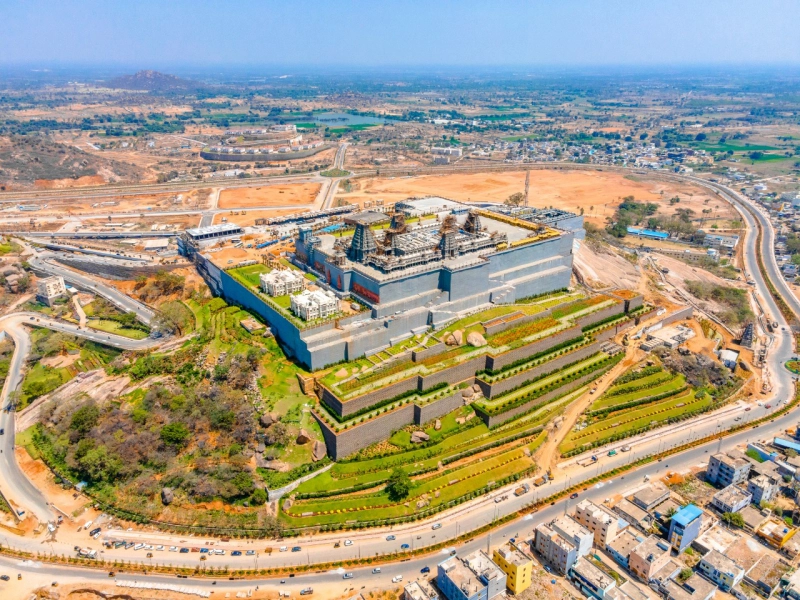
Vaikuntha Ekadasi, called Mukkoti Ekadasi in the Telugu states, is the day the gates of Vaikuntha are believed to open. Vishnu temples open their northern gate for Uttara Dwara Darshanam, drawing lakhs of devotees to Tirumala, Bhadrachalam, Yadadri and Dwaraka Tirumala.
Festival Dates
Introduction
Vaikuntha Ekadasi – known in Andhra Pradesh and Telangana as Mukkoti Ekadasi – is the most sacred of the year's Ekadashis for devotees of Lord Vishnu. It is the Shukla Ekadashi (eleventh day of the bright fortnight) that falls during Dhanurmasam, the holy month from mid-December to mid-January when the Sun is in Dhanus rasi. On this day, Vishnu temples open a special northern gateway – the Uttara Dwaram or Vaikunta Dwaram – and devotees wait through the night for the blessing of passing through it for darshan of the Lord.
Significance and Legend
According to tradition, on Vaikuntha Ekadasi the gates of Vaikuntha, the abode of Lord Vishnu, are opened, and those who worship the Lord with devotion on this day are blessed with liberation (moksha). The Telugu name Mukkoti Ekadasi reflects the belief that the "three crore" (mukkoti) gods gather to worship Lord Vishnu on this day. Passing through the northern gate is seen as a symbol of the soul's passage to Vaikuntha, and the day is also honoured as one of the most powerful days for fasting and prayer.
How it is Celebrated in Andhra Pradesh and Telangana
- Uttara Dwara Darshanam: in the early hours of the morning, Vishnu temples open their decorated northern gate, and devotees enter through it for darshan. Queues often begin the night before.
- Tirumala: at the Sri Venkateswara Swamy Temple, the Vaikunta Dwaram is kept open for ten days from Vaikuntha Ekadasi, with darshan arranged by TTD through advance tokens on the first days.
- Bhadrachalam: on the evening before Mukkoti, Sri Rama with Sita and Lakshmana is taken on the Godavari in a grand Teppotsavam on a swan-shaped float, and the Uttara Dwara Darshanam follows the next morning.
- Dhanurmasam devotion: the day falls in the month of Tiruppavai, when the hymns of Goda Devi (Andal) are sung each dawn in Vishnu temples and many homes.
Rituals and Puja
- Upavasam: devotees fast on Ekadashi – many without grains, some taking only water or fruits – and spend the day in prayer.
- Jagarana: many stay awake through the night with bhajans, the Vishnu Sahasranamam and stories of the Lord.
- Darshan through the northern gate, at a temple or, for those who cannot travel, worship of Lord Vishnu at home with tulasi, flowers and lamps.
- Dwadashi parana: the fast is completed on the next morning, Dwadashi, after prayers and an offering to the Lord.
Foods and Offerings
- Ekadashi is a day of fasting; those who do not keep a full fast take fruits, milk and simple fasting foods without grains.
- Tulasi leaves are offered to Lord Vishnu, and the fast is broken on Dwadashi with a simple meal and the Lord's prasadam.
Temples Known for this Festival
- Sri Sita Ramachandra Swamy Temple, Bhadrachalam – the Mukkoti celebrations, with the Teppotsavam on the Godavari on the eve and the Uttara Dwara Darshanam of Sri Rama.
- Sri Lakshmi Narasimha Swamy Temple, Yadadri (Yadagirigutta) – the once-a-year Uttara Dwara Darshanam, drawing over a lakh of devotees, with Tiruppavai recitation and special worship.
- Sri Venkateswara Swamy Temple, Dwaraka Tirumala – Vaikuntha Ekadasi is one of the major festivals of "Chinna Tirupati", with the Vaikunta Dwara Darshanam of the Lord.
The next Vaikuntha Ekadasi date is shown in the festival dates above. Because it is fixed by Dhanurmasam, a calendar year can have no Vaikuntha Ekadasi, one or even two; please follow the Telugu panchang and the temple's announcement.
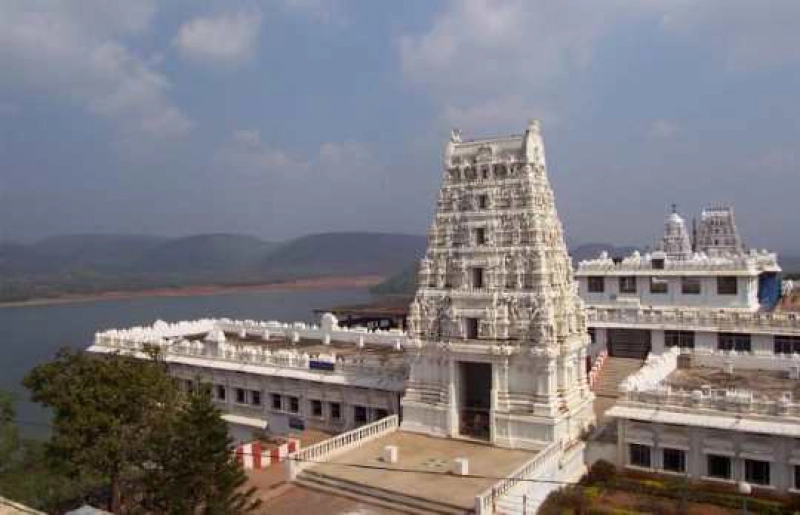
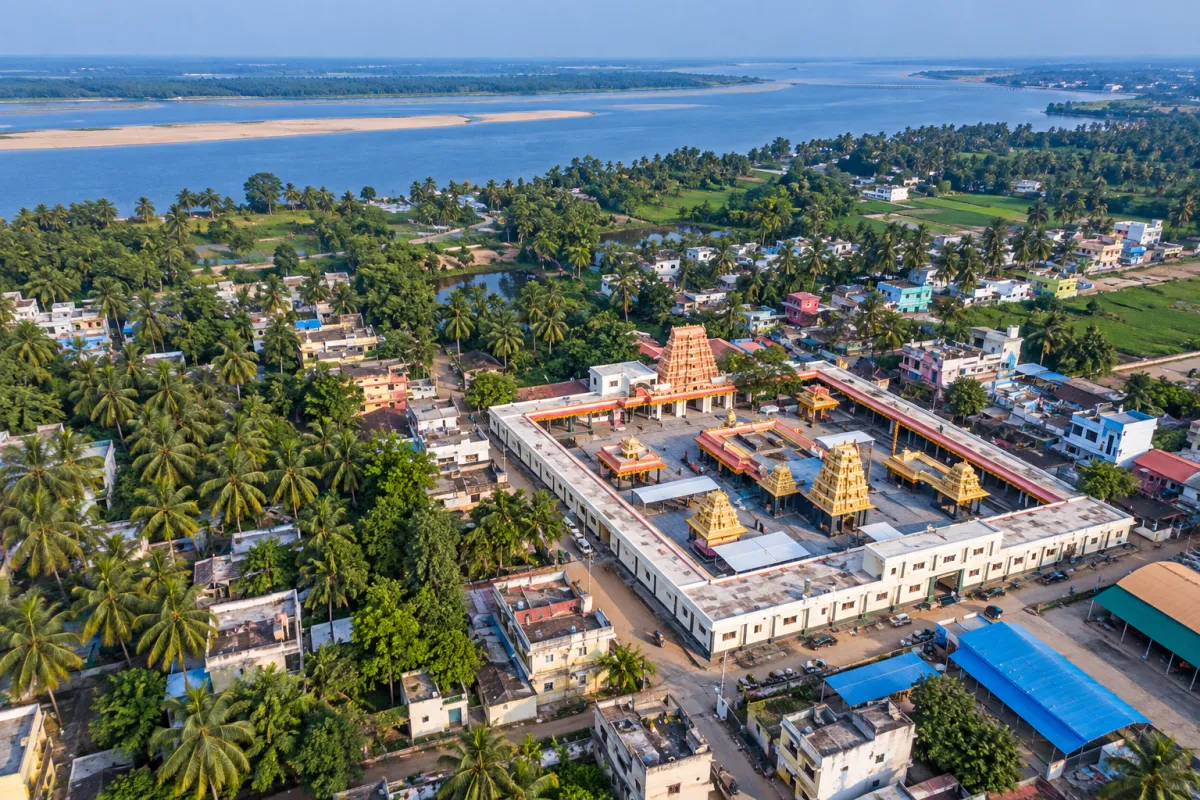
Temples Celebrating Vaikuntha Ekadasi (Mukkoti Ekadasi)
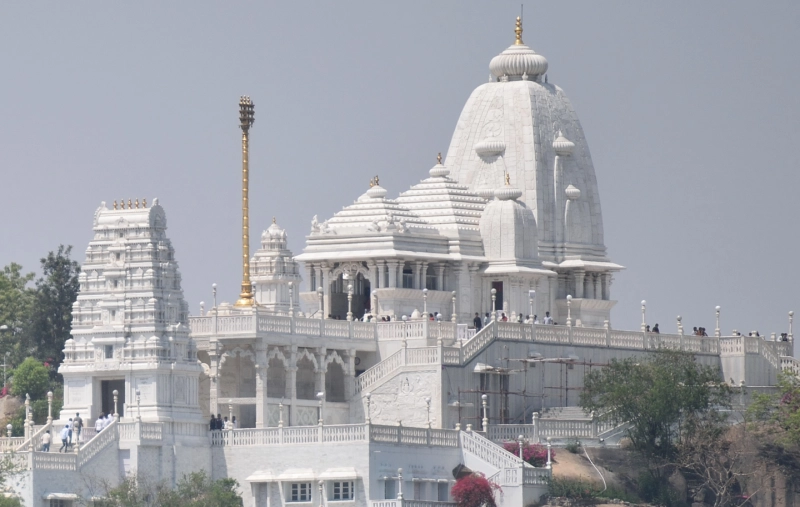
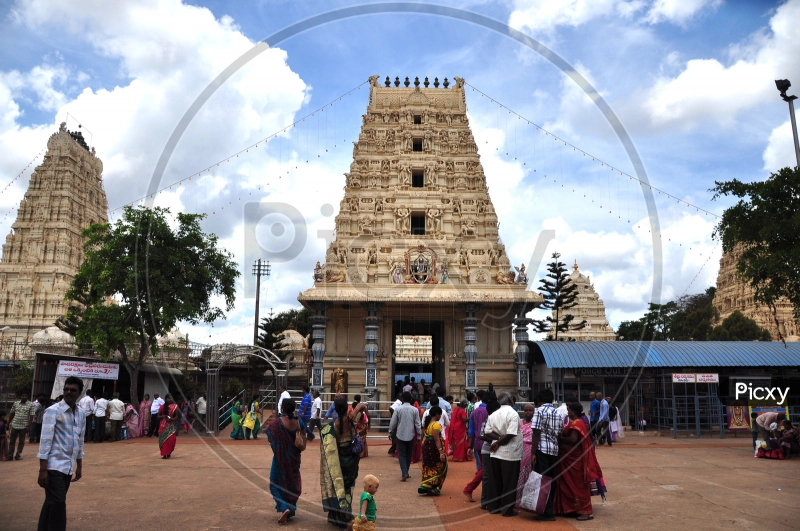
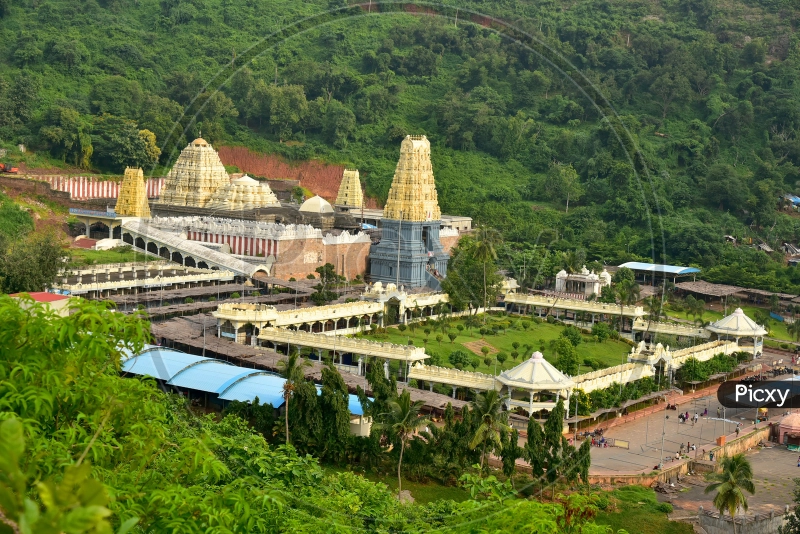
 Illustrative image